

April 1, 2026
Healing Beyond Cure: Redefining Wound Care in Palliative and Hospice Settings
When people think of wound care, they often imagine healing and recovery. But in hospice and palliative medicine, wound care takes on a new meaning. It becomes less about closure — and more about comfort, dignity, and quality of life.
This compassionate philosophy, known as palliative wound care, focuses on alleviating pain and distress rather than achieving total wound healing. It acknowledges that while a wound may not heal, a person can still find comfort, peace, and control over their care.
Shifting the Goal: From Healing to Comfort
Traditional wound management aims for tissue repair and closure. In contrast, palliative wound care recognizes that many hospice patients have underlying conditions — advanced cancer, frailty, poor nutrition, or immobility — that make wound healing unlikely.
The goal shifts toward symptom relief: controlling pain, reducing odor, managing exudate (drainage), and preventing infection. These interventions honor a person’s comfort and dignity during their end-of-life journey.
Understanding the Unique Nature of Hospice Wounds
In hospice care, wounds often stem from complex physical decline:
- Pressure injuries from limited mobility
- Moisture-associated skin damage due to incontinence
- Malignant or tumor-related wounds
- Wounds linked to malnutrition or cachexia
Unlike acute wounds that can heal with aggressive treatment, these require gentle care, thoughtful assessment, and realistic goals. Every patient’s situation is different — and so is their wound care plan.
Key Strategies for Symptom Management
Comfort-focused wound care involves balancing treatment efficacy with minimal discomfort:
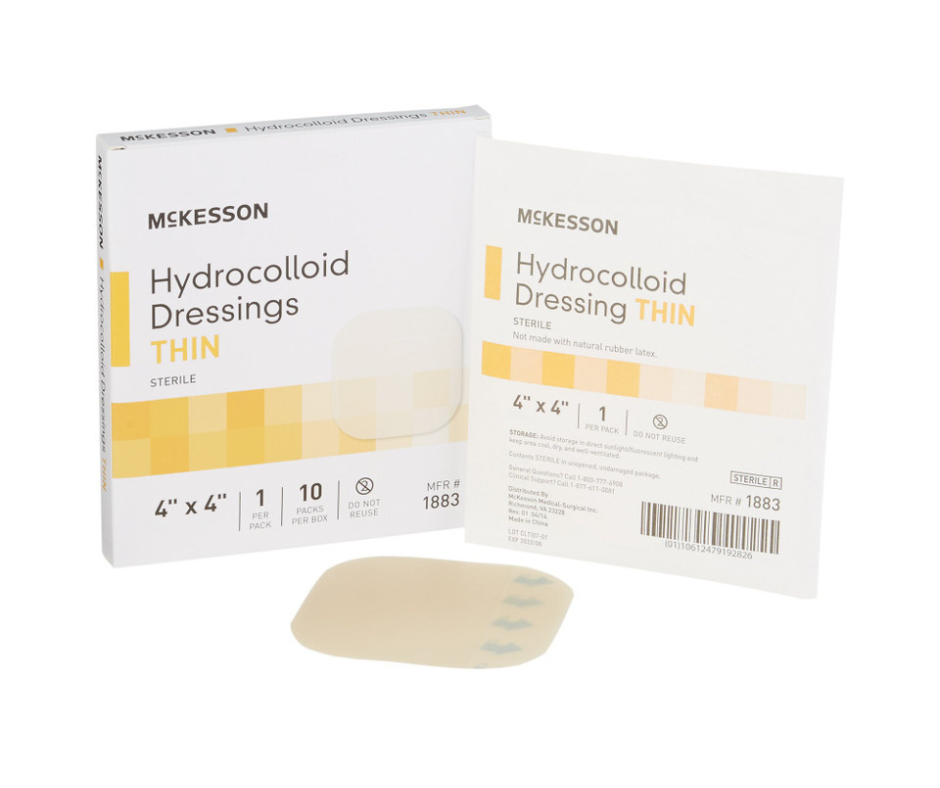
Pain management: Use atraumatic dressings and time dressing changes with pain medication to minimize distress.
- Hydrocolloid Dressings: Ideal for fragile skin and minimizing dressing change pain.
- Silicone Foam Dressings: Soft, atraumatic, and excellent for pressure injuries.
- Topical Lidocaine Gels (for local comfort during cleansing).
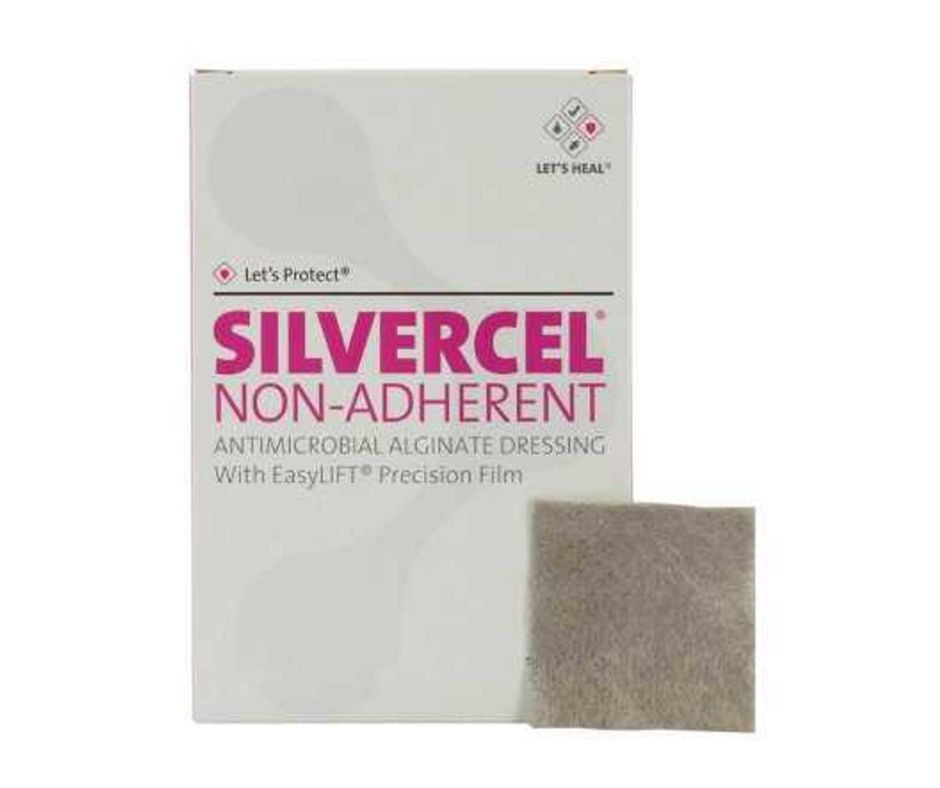
Odor control: Choose antimicrobial or charcoal dressings and use gentle cleansers to neutralize odor without irritating the skin.
- Charcoal Dressings: Neutralize odor and absorb wound exudate.
- Antimicrobial Dressings: Help control bacterial growth and reduce infection risk.
- Gentle Cleansers: Non-cytotoxic cleansers that reduce odor and irritation.
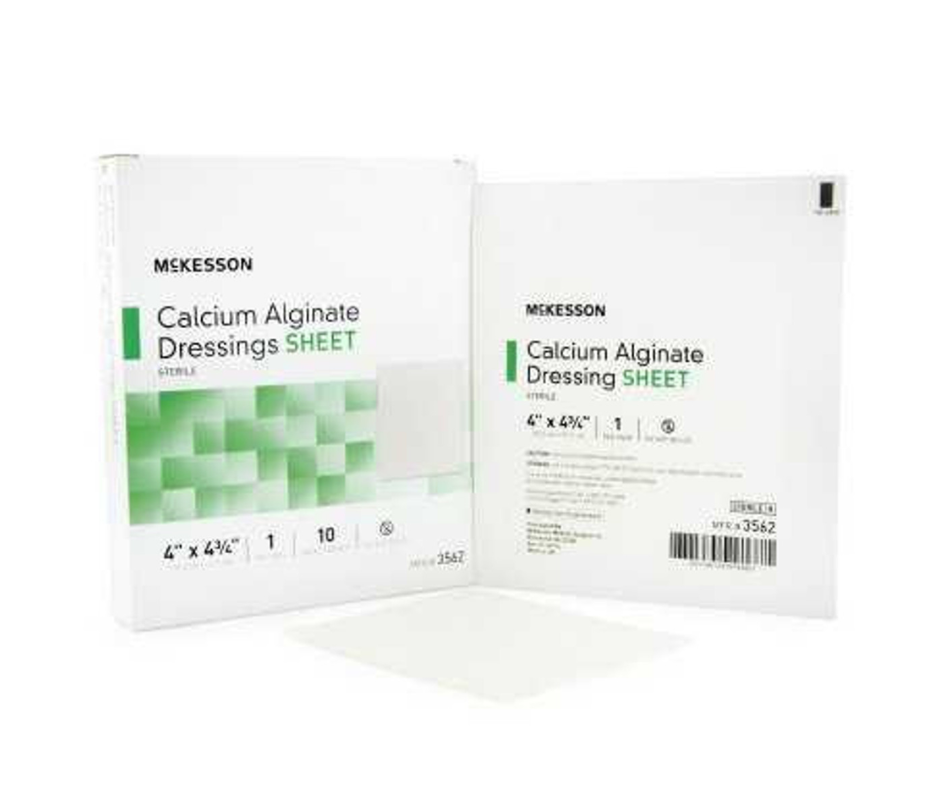
Exudate control: Maintain moisture balance with absorbent dressings to protect surrounding skin.
- Calcium Alginate Dressings: Excellent absorption while maintaining moisture balance.
- Hydrogel Dressings: Keep dry or necrotic wounds moist for comfort.
- Foam Dressings: Long wear time, leak prevention, and comfort.
Dressings for dignity: Select materials that stay in place, minimize leakage, and preserve confidence.
- Adhesive-Free Options: For frail or sensitive skin.
- Transparent Dressings: Allow visibility without frequent changes.
- Skin Barriers & Protectants: Protect periwound skin and reduce discomfort.

These strategies are as much about emotional comfort as physical relief, allowing patients to interact with loved ones and caregivers without embarrassment or pain.
Patient-Centered and Ethical Care
Palliative wound care is deeply individualized. Clinicians align treatment with what matters most to the patient — whether that’s reducing odor for social comfort, minimizing pain during movement, or simply avoiding burdensome procedures.
Ethical considerations play a key role:
- When does treatment become a burden?
- How much intervention aligns with a patient’s values and goals?
- How can clinicians communicate realistic expectations with empathy?
The goal is never to abandon care — but to redefine healing as restoring comfort, not skin integrity.
The Power of a Team-Based Approach
Hospice wound care thrives through collaboration. Nurses, wound specialists, dietitians, therapists, and family caregivers all share responsibility in promoting comfort and continuity.
Clear documentation ensures seamless transitions between care settings — hospital, home, or hospice facility — while regular communication fosters shared understanding and compassion across the team.
Overcoming Real-World Challenges
Hospice settings often face resource constraints, limited access to specialty dressings, or varying caregiver experience. To overcome these barriers:
- Use cost-effective, patient-appropriate alternatives.
- Educate families about realistic wound outcomes.
- Empower caregivers through training and support.
- Focus on quality of life over aggressive interventions.
Even when resources are scarce, a comfort-first mindset ensures that every act of care counts.
Comfort Is the New Cure
Palliative and hospice wound care reminds us that healing isn’t always about closure — it’s about compassion. Each gentle dressing change, each moment of pain relief, and every act of dignity preservation reflects true healing of the spirit.
In the words of palliative care educators: “We may not cure the wound, but we can always care for the person.”