
April 8, 2026
Incentive Spirometer After Surgery: How Often Should You Use It for Faster Recovery?
Recovering from surgery—especially procedures involving the chest or abdomen—requires more than rest. One of the most effective tools for preventing complications and speeding up recovery is the incentive spirometer. But a common question patients ask is: How often should you use it after surgery?
In this guide, we’ll break down exactly how frequently you should use an incentive spirometer, why it matters, and how to use it correctly for the best results.
What Is an Incentive Spirometer?
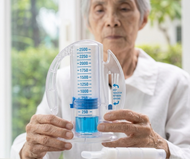
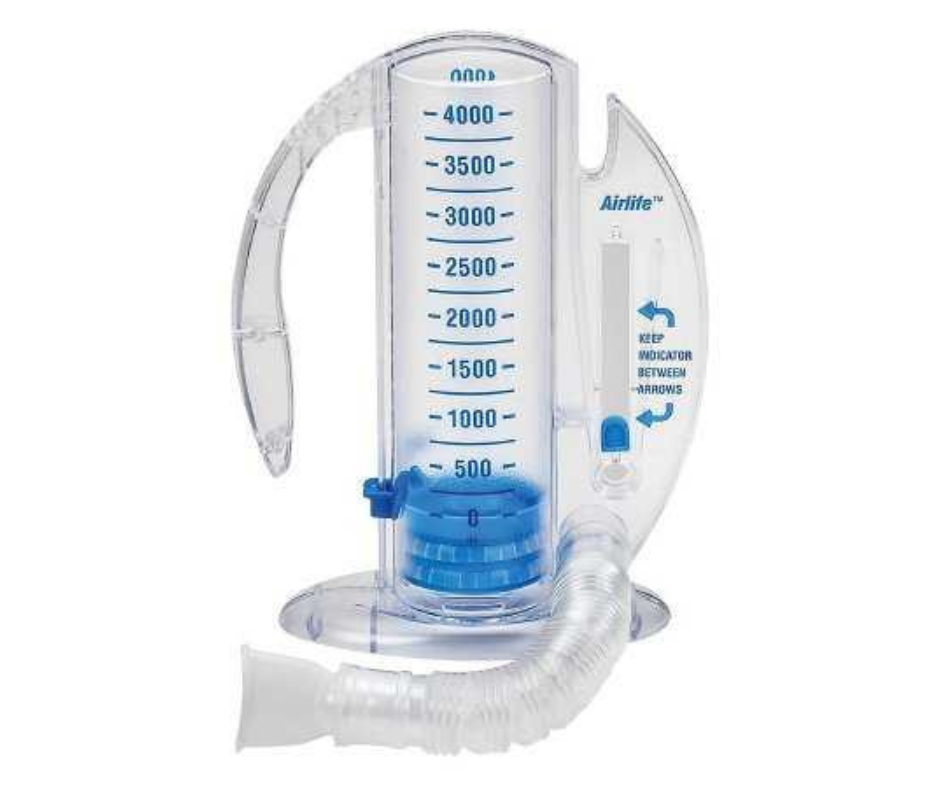
An incentive spirometer is a handheld medical device that helps you take slow, deep breaths. After surgery, especially under general anesthesia, your lungs can become sluggish, increasing the risk of complications like:
- Atelectasis (collapsed air sacs)
- Pneumonia
- Reduced oxygen levels
Using this device encourages proper lung expansion and keeps your airways clear.
How Often Should You Use an Incentive Spirometer?
General Recommendation
Most healthcare providers recommend:
10 breaths every hour while awake
This means you should aim to use your incentive spirometer about 8–12 times per day, depending on how long you're awake.
Why Frequency Matters
Consistency is key when it comes to lung recovery. Regular use helps:
- Re-expand lung tissue
- Improve oxygen flow
- Prevent mucus buildup
- Reduce the risk of infection
Skipping sessions or using it too infrequently can slow your recovery and increase the chance of complications.
Step-by-Step: How to Use It Correctly
- Sit upright in a comfortable position.
- Hold the spirometer upright.
- Exhale normally, then place the mouthpiece in your mouth.
- Inhale slowly and deeply, raising the indicator.
- Hold your breath for 3–5 seconds.
- Remove the mouthpiece and exhale.
- Rest briefly, then repeat.
Tip: Try to increase your volume target gradually each day.
How Long Should You Continue Using It?
Typically, you’ll need to use an incentive spirometer for:
- At least 1–2 weeks after surgery, or
- Until your doctor confirms your lung function has returned to normal
Some patients, especially those with pre-existing lung conditions, may need longer use.
Signs You’re Using It Effectively
- You can gradually inhale more air (higher volume readings)
- Breathing feels easier over time
- Less coughing or mucus buildup
- Improved energy levels
Common Mistakes to Avoid
- ❌ Using it too quickly instead of slow, controlled breaths
- ❌ Forgetting to use it regularly
- ❌ Slouching while using the device
- ❌ Not holding your breath at the top of the inhale
Additional Tips for Faster Recovery
Along with using your incentive spirometer:
- Walk regularly to improve circulation
- Stay hydrated to thin mucus
- Follow pain management instructions (pain can limit deep breathing)
- Practice gentle coughing to clear lungs
When to Call Your Doctor
Contact your healthcare provider if you experience:
- Shortness of breath
- Chest pain
- Fever
- Persistent coughing with thick mucus
Using an incentive spirometer consistently—about 10 times every hour while awake—can significantly improve your recovery after surgery. It’s a simple habit that delivers powerful benefits for your lungs and overall healing.
Stick to your routine, monitor your progress, and don’t hesitate to ask your healthcare provider for guidance tailored to your specific condition.