
June 3, 2026
Burn Care Guide: Treating First, Second, and Third Degree Burns
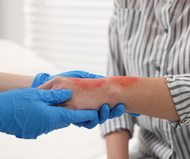
Burn injuries can happen anywhere—from cooking in the kitchen to accidental exposure to hot liquids, chemicals, or fire. Knowing how to identify and treat different burn degrees properly is essential for preventing complications, reducing pain, and supporting faster healing.
This guide breaks down first, second, and third-degree burns, along with safe burn care steps you can follow at home and when to seek medical attention.
What Are the Different Degrees of Burns?
Burns are classified based on how deeply they damage the skin.
1. First-Degree Burns (Superficial Burns)
First-degree burns affect only the outer layer of the skin (epidermis).
Common causes:
- Sunburn
- Brief contact with hot surfaces or liquids
Symptoms:
- Redness
- Mild swelling
- Pain or tenderness
- Dry skin without blisters
Healing time: Usually 3–7 days
2. Second-Degree Burns (Partial-Thickness Burns)
Second-degree burns affect both the outer layer of skin (epidermis) and the second layer (dermis).
Common causes:
- Hot water or steam
- Flames or scalding liquids
Symptoms:
- Red, swollen skin
- Blisters
- Severe pain
- Moist or shiny appearance
Healing time: 1–3 weeks or longer, depending on severity
3. Third-Degree Burns (Full-Thickness Burns)
Third-degree burns destroy all layers of the skin and may damage deeper tissues.
Common causes:
- Prolonged exposure to fire
- Electrical burns
- Chemical burns
Symptoms:
- White, black, or charred skin
- Numbness (nerve damage may reduce pain)
- Dry, leathery texture
Healing time: Requires medical treatment; often involves skin grafting
Immediate Burn Care Steps
For minor (first-degree and small second-degree burns), follow these steps:
1. Cool the Burn
- Run cool (not ice-cold) water over the burn for 10–20 minutes
- This helps reduce heat and prevent further skin damage
2. Clean Gently
- Use mild soap and water
- Avoid scrubbing or breaking blisters
3. Protect the Area
- Cover with a sterile, non-stick dressing or gauze
- Keep the area clean and dry
4. Soothe the Skin
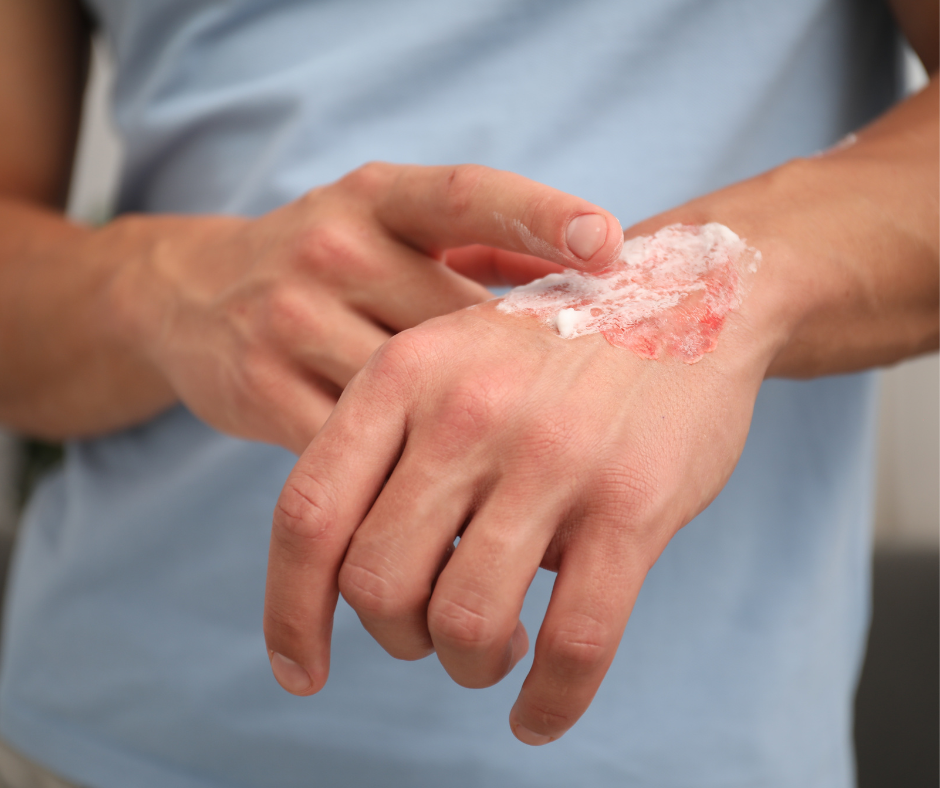
- Apply a burn gel or moisturizing ointment recommended for wound care
- Avoid greasy substances like butter or oils
5. Manage Pain
- Over-the-counter pain relievers may help reduce discomfort
When to Seek Medical Attention
Get professional care if:
- The burn is large or deep
- It affects the face, hands, feet, or joints
- There are signs of infection (pus, swelling, worsening redness)
- It is a third-degree burn
- Pain is severe or worsening
Helpful Burn Care Products
Proper wound care products can improve healing and comfort. Common essentials include:
- Sterile non-stick dressings
- Gauze pads
- Antimicrobial wound gels
- Burn dressings designed for moisture balance
- Medical tape for secure coverage
- Skin barrier creams to protect the surrounding skin
Using the right supplies helps reduce infection risk and supports proper healing conditions.
Burn Care Prevention Tips
- Keep hot liquids and appliances away from children
- Use protective gloves when handling heat or chemicals
- Install smoke detectors at home
- Be cautious with sun exposure and always use sunscreen
- Store flammable materials safely
Understanding how to identify and treat first, second, and third-degree burns can make a major difference in recovery outcomes. While minor burns can often be managed at home with proper care, more serious burns require immediate medical attention.
With the right response and proper wound care products, you can help reduce pain, prevent infection, and support faster healing.