
June 26, 2026
Digital vs Manual Medical Devices: Which Is Better for Home Use?
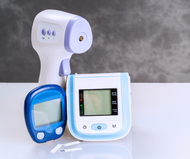
Managing your health at home has become easier than ever, thanks to a wide range of medical devices designed for personal use. From blood pressure monitors and thermometers to pulse oximeters and glucose meters, home medical equipment helps individuals track important health metrics between doctor visits.
One common question many people have is: Should you choose a digital or manual medical device? Both options offer unique benefits, but the right choice depends on your needs, experience level, and health goals.
In this guide, we'll compare digital and manual medical devices to help you make an informed decision.
Understanding Digital Medical Devices
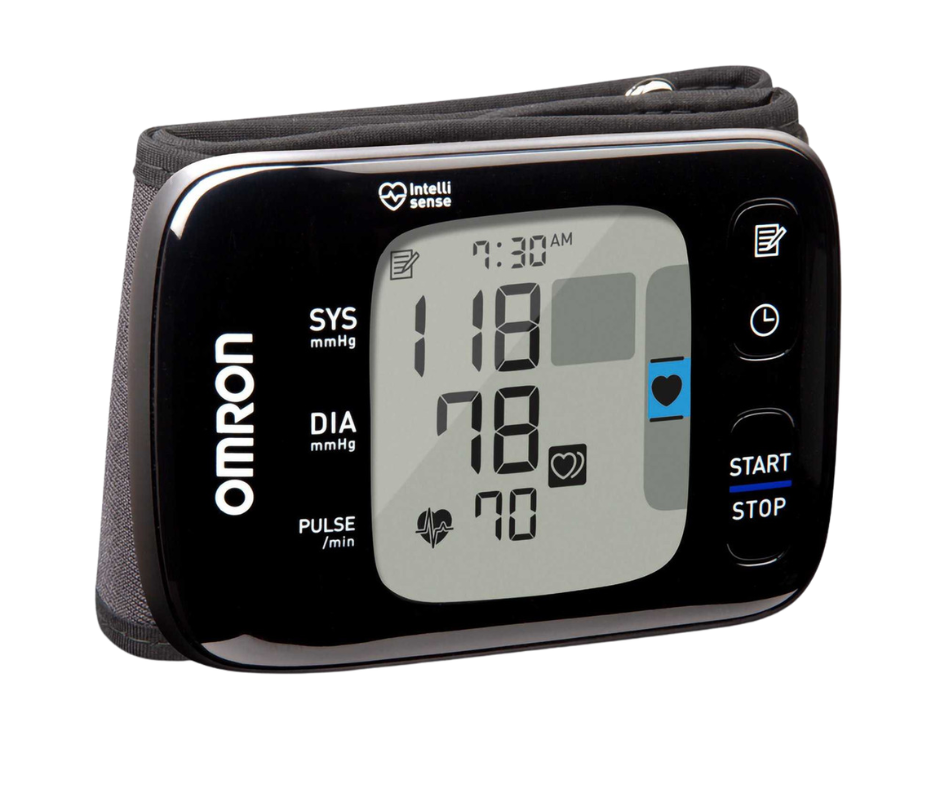
Digital medical devices use electronic sensors and automated technology to provide readings quickly and easily. Most digital devices feature a display screen that shows results within seconds.
Common Digital Medical Devices
- Digital blood pressure monitors
- Digital thermometers
- Pulse oximeters
- Digital weighing scales
- Blood glucose monitors
Advantages of Digital Devices
Easy to Use
Digital devices are designed with simplicity in mind. Most require only the push of a button, making them ideal for seniors, caregivers, and individuals with limited medical training.
Quick Results
Readings are typically available within seconds, saving time and reducing user error.
Memory and Data Tracking
Many digital devices can store previous readings, helping users monitor trends and share information with healthcare providers.
Accessibility
Large displays and easy-to-read numbers make digital devices convenient for everyday use.
Potential Drawbacks
- Require batteries or charging
- May be more expensive than manual alternatives
- Electronic components can occasionally malfunction
Understanding Manual Medical Devices
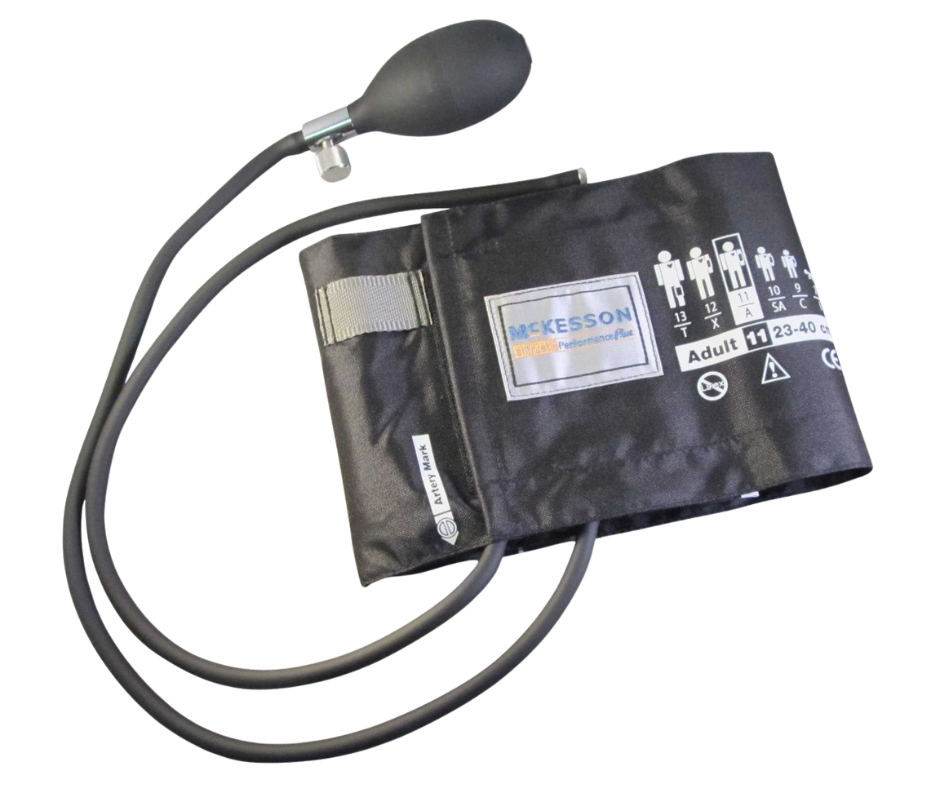
Manual medical devices rely on traditional measurement methods and often require user skill and interpretation.
Common Manual Medical Devices
- Manual blood pressure cuffs (sphygmomanometers)
- Mercury-free thermometers
- Mechanical weighing scales
Advantages of Manual Devices
Reliable Without Power
Manual devices do not depend on batteries, making them useful during power outages or emergencies.
Long-Term Durability
Many manual devices have fewer electronic components and can last for years with proper care.
Lower Cost
Manual equipment is often more affordable than digital alternatives.
Professional Preference
Healthcare professionals frequently use manual devices because they allow greater control during measurements.
Potential Drawbacks
- Require proper training and technique
- Can be more difficult for beginners
- Readings may take longer to obtain
Digital vs Manual Medical Devices: Side-by-Side Comparison
|
Feature |
Digital Devices |
Manual Devices |
|
Ease of Use |
Excellent |
Moderate |
|
Accuracy |
High when used correctly |
High when used correctly |
|
Speed |
Fast |
Slower |
|
Data Storage |
Often included |
Not available |
|
Power Source |
Batteries or charging |
None required |
|
Cost |
Moderate to high |
Generally lower |
|
Learning Curve |
Minimal |
Higher |
Which Is Better for Home Use?
For most households, digital medical devices are often the preferred choice because they are easy to operate, provide fast results, and require little training.
Digital devices are particularly beneficial for:
- Seniors
- Caregivers
- Individuals monitoring chronic conditions
- Families seeking convenient health tracking
However, manual devices may be a better option for:
- Healthcare professionals
- Users trained in manual measurement techniques
- Those seeking a backup device
- Individuals who prefer equipment that doesn't require batteries
Popular Home Medical Devices to Consider
Whether you choose digital or manual equipment, some of the most commonly used home medical devices include:
- Blood pressure monitors
- Thermometers
- Pulse oximeters
- Blood glucose monitors
- Weighing scales
- Mobility aids
- First aid supplies
Choosing high-quality, clinically tested equipment can help ensure reliable readings and better health management.
When comparing digital vs manual medical devices, there is no one-size-fits-all answer. Digital devices offer convenience, speed, and user-friendly features, making them ideal for most home users. Manual devices remain valuable for their durability, affordability, and independence from batteries.
The best choice is the one that fits your comfort level, health needs, and daily routine. By selecting the right medical devices for home use, you can stay informed, monitor your health confidently, and support your overall well-being.