
April 23, 2026
Home Medical Waste Disposal: Safe, Simple, and Compliant Methods to Follow
Proper disposal of medical waste at home is essential for safety, hygiene, and legal compliance. From used syringes and lancets to expired medications and wound dressings, improper handling can pose serious health risks to your family and the community.
This guide explains the best practices for home medical waste disposal, helping you stay safe, follow regulations, and protect the environment.
What Counts as Home Medical Waste?
Home medical waste includes items used for medical care at home that can carry pathogens or chemicals. Common examples include:
- Sharps: Needles, syringes, lancets, insulin pen needles
- Biohazard waste: Blood-soaked gauze, bandages, dressings
- Expired or unused medications: Prescription and over-the-counter drugs
- Medical devices: Catheter supplies, testing strips, or tubing
Understanding what counts as medical waste is the first step toward safe disposal.
Why Proper Disposal Matters
Improper disposal of medical waste can lead to:
- Injury: Accidental needle sticks or cuts
- Infections: Bloodborne pathogens like hepatitis B, C, or HIV
- Environmental hazards: Chemicals from medications can contaminate water
- Legal issues: Certain states regulate the disposal of sharps and controlled substances
Safe disposal protects you, your family, neighbors, and the environment.
Safe Methods for Home Medical Waste Disposal
1. Sharps Disposal
Sharps, including needles and lancets, must never be thrown in regular trash.
Safe practices:
- Use a FDA-approved sharps container made of rigid, puncture-resistant plastic.
- Never overfill the container—replace it when it’s about ¾ full.
- Keep it out of reach of children and pets.
Disposal options:
- Mail-back programs: Some companies offer pre-paid mail-back kits.
- Household hazardous waste collection sites: Many local health departments accept sharps.
- Community sharps disposal kiosks: Found at pharmacies, hospitals, or clinics.
2. Biohazard Waste Disposal
Items contaminated with blood or bodily fluids require careful handling:
Tips:
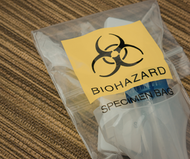
- Place used gauze, bandages, or gloves in a leak-proof bag.
- Seal the bag tightly before disposal.
- Some states allow disposal in regular trash if securely bagged; others may require biohazard collection services.
Check your local regulations to ensure compliance.
3. Medication Disposal
Expired or unused medications should never be flushed down the toilet unless specified.
Safe disposal methods:
- Drug take-back programs: Pharmacies, hospitals, and law enforcement agencies often host collection events.
- DEA-authorized drop boxes: Convenient and secure for controlled substances.
- FDA-approved at-home disposal kits: Some kits allow safe mixing of medications with absorbent materials for disposal in the trash.
4. Catheter and Ostomy Supplies
Supplies like catheters, tubing, and ostomy bags may contain biological fluids.
Tips:
- Seal used supplies in a sturdy, leak-proof bag.
- Dispose of according to local biomedical waste regulations.
- Use sharps containers if any sharp components are included.
5. Labeling and Storage
Until proper disposal, store medical waste safely:
- Keep in clearly labeled containers.
- Store in a cool, dry place away from children and pets.
- Avoid placing containers near regular trash until disposal.
Local Regulations and Compliance
Home medical waste disposal rules can vary by state and municipality. Always:
- Check your state health department guidelines.
- Follow federal and local regulations for sharps and controlled substances.
- Ask your pharmacy or healthcare provider about safe disposal programs in your area.
Compliance not only protects your household but also prevents environmental contamination.
Proper home medical waste disposal is safe, simple, and necessary. By using approved containers, following local regulations, and participating in take-back programs, you can reduce risks of injury, infection, and environmental damage.
Stay proactive about medical waste management to protect your family, community, and the environment. Safe disposal is a small step that makes a big difference in public health.