
May 6, 2026
Managing Chronic Pain with Braces, Cushions, and Therapy
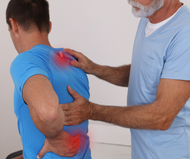
Chronic pain affects millions of people worldwide, making everyday activities difficult and impacting quality of life. While medications are often part of the solution, non-invasive aids such as braces, cushions, and therapy can play a vital role in pain management. These tools help reduce strain on joints and muscles, improve posture, and support recovery, allowing individuals to live more comfortably and independently.
Understanding Chronic Pain
Chronic pain is persistent discomfort lasting longer than three months. Common causes include:
- Arthritis and joint degeneration
- Back or neck injuries
- Fibromyalgia
- Post-surgery recovery
- Nerve damage or neuropathy
Effective management often requires a combination of approaches, including lifestyle modifications, physical therapy, and supportive devices.
How Braces Help
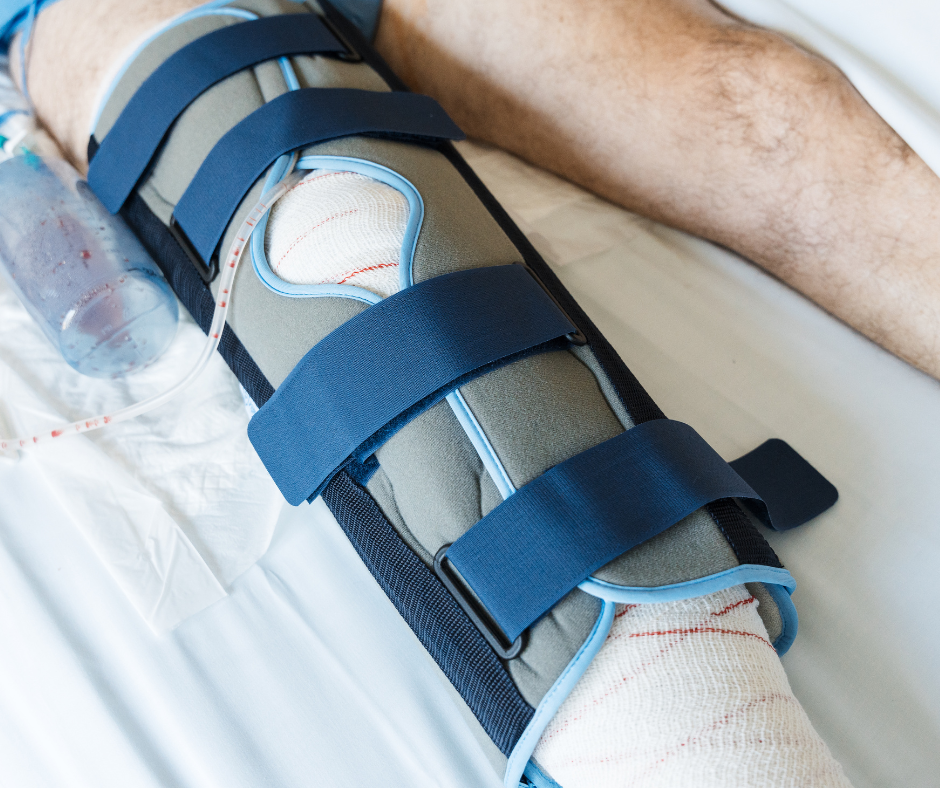
Braces provide external support to joints, muscles, or spinal areas, helping to reduce pain and prevent further injury.
Types of Braces:
- Knee Braces: Relieve pressure on arthritic or injured knees.
- Wrist and Hand Braces: Reduce strain from repetitive motions or conditions like carpal tunnel syndrome.
- Back Braces: Support posture and relieve lower back pain.
- Ankle and Foot Braces: Stabilize joints for improved mobility.
Tips for Use:
- Ensure proper fit to avoid discomfort.
- Wear as directed by a healthcare professional.
- Use in combination with therapy for the best results.
Cushions and Ergonomic Support
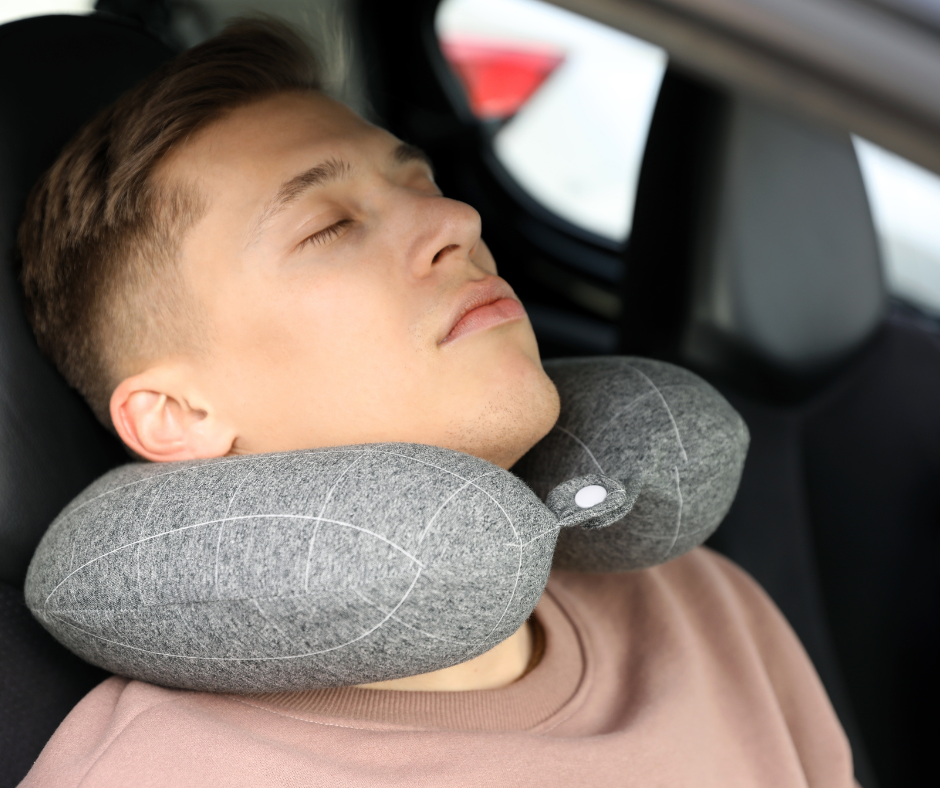
Cushions and ergonomic products help relieve pressure on the body, especially during prolonged sitting or lying.
Popular Options:
- Lumbar Cushions: Support the lower back and reduce slouching.
- Seat Cushions and Wedges: Improve posture and reduce hip and tailbone pain.
- Neck Pillows: Provide cervical support during sleep or travel.
- Heel and Foot Cushions: Reduce pressure on heels and arches for people with plantar fasciitis or diabetic neuropathy.
Tips for Use:
- Select cushions made from memory foam or gel for comfort and durability.
- Adjust seating positions and change posture frequently to prevent stiffness.
Therapy for Chronic Pain Management
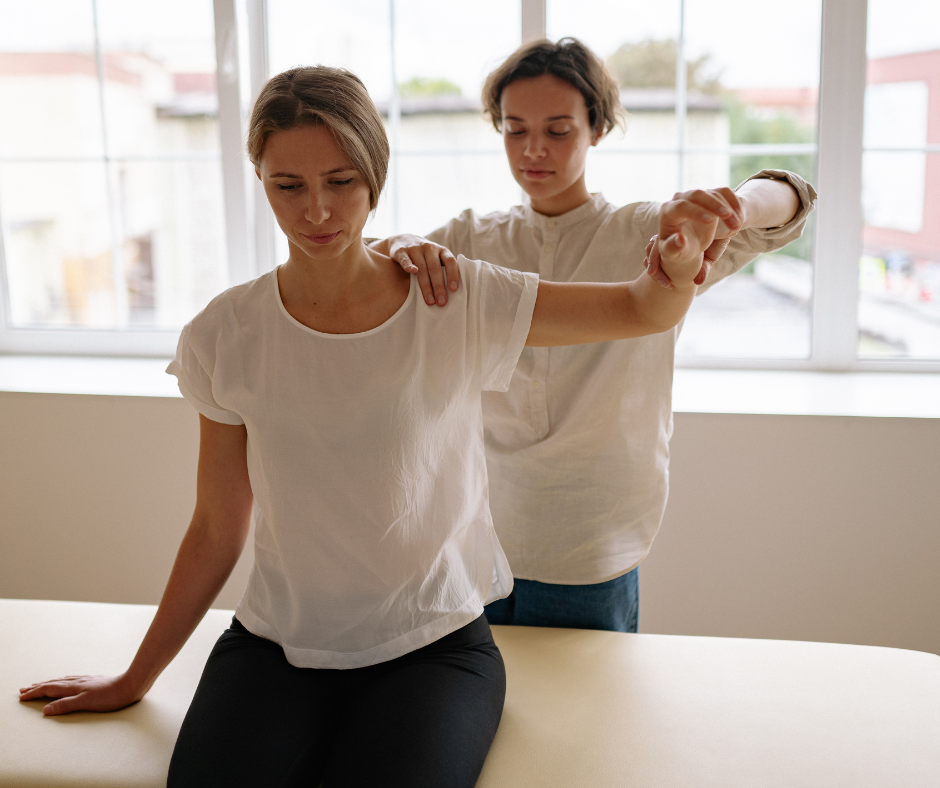
Physical therapy, occupational therapy, and targeted exercises can complement braces and cushions to reduce pain and improve function.
Types of Therapy:
- Physical Therapy: Strengthens muscles around affected joints, improves flexibility, and promotes circulation.
- Occupational Therapy: Helps modify daily activities to reduce strain and prevent pain flare-ups.
- Heat and Cold Therapy: Heat relaxes muscles, while cold reduces inflammation.
- Hydrotherapy and Aquatic Exercise: Water reduces joint pressure while allowing movement.
Tips for Therapy:
- Consistency is key—regular sessions produce better long-term results.
- Combine exercises with supportive devices for maximum benefit.
- Follow a therapist’s guidance to avoid injury.
Combining Devices and Therapy
For optimal chronic pain management:
- Identify the source of pain with guidance from a healthcare provider.
- Use braces and cushions to reduce strain and support proper posture.
- Engage in therapy and exercises to strengthen muscles and improve mobility.
- Track pain patterns to adjust devices, exercises, or routines as needed.
Managing chronic pain requires a multifaceted approach. Braces provide stability, cushions relieve pressure, and therapy strengthens the body while reducing discomfort. When used together, these tools help individuals regain mobility, reduce pain, and improve daily comfort. Always consult a healthcare professional before starting new devices or therapies to ensure safe and effective management.