
May 20, 2026
Skincare for Seniors: Best Moisturizers for Dry or Sensitive Skin
As we age, the skin naturally becomes thinner, drier, and more sensitive. This is due to reduced oil production, slower cell turnover, and decreased skin barrier function. For seniors, maintaining healthy skin is not just about appearance—it is essential for comfort, protection, and the prevention of issues such as irritation, cracking, and infection.
Choosing the right moisturiser plays a key role in senior skincare, especially for those with dry or sensitive skin. This guide explains what to look for in a moisturiser and how to care for ageing skin effectively.
Why Senior Skin Becomes Dry and Sensitive
Ageing skin undergoes several changes that increase dryness and sensitivity:
- Reduced natural oil (sebum) production
- Thinner skin barrier
- Decreased collagen and elasticity
- Slower healing process
- Increased sensitivity to environmental irritants
These changes make hydration and protection more important than ever.
What to Look for in a Moisturizer for Seniors
When choosing a moisturizer for elderly skin, look for products that are:
1. Fragrance-Free
Fragrances can irritate sensitive skin and cause redness or itching.
2. Rich in Hydrating Ingredients
Effective ingredients include:
- Hyaluronic acid (locks in moisture)
- Glycerin (draws water into the skin)
- Ceramides (repair skin barrier)
- Shea butter or natural oils (deep nourishment)
3. Dermatologist-Tested
Products tested for sensitive skin reduce the risk of irritation.
4. Non-Greasy but Hydrating
A balance between moisture and comfort is ideal, especially for daily use.
Best Types of Moisturizers for Seniors
1. Cream-Based Moisturizers
Thicker than lotions, creams provide deeper hydration and are ideal for very dry skin.
2. Ointments
Highly effective for severely dry or cracked skin, especially on hands, elbows, and feet.
3. Lotion-Based Moisturizers
Lightweight and easy to apply, suitable for mild dryness or daily maintenance.
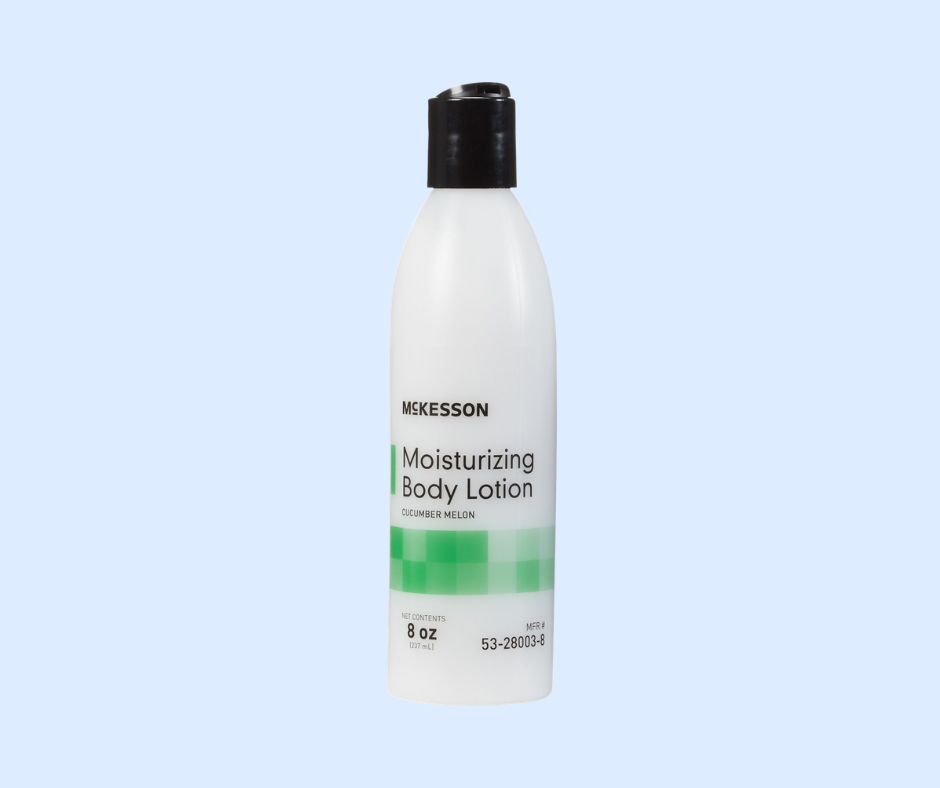
Recommended Skincare Moisturizers for Seniors
- Gentle moisturizing lotion for dry and sensitive skin
- Helps maintain skin softness and hydration
- Good for daily full-body use for seniors
- Lightweight, unscented facial moisturizer
- Suitable for sensitive and aging skin
- Helps support skin barrier hydration overnight
- Designed for mature skin
- Helps moisturize while reducing dryness and visible aging signs
- Ideal for nighttime skincare routines
- Excellent for very dry, cracked, or irritated skin
- Creates a protective moisture barrier
- Commonly used for elderly skin protection
- Prescription-strength moisturizing lotion
- Helps with rough, flaky, and extremely dry skin
- Good for chronic dryness common in seniors
- Gentle, fragrance-free moisturizer for dry and sensitive skin
- Helps soothe irritation and support the skin’s moisture barrier
- Ideal for ageing skin and daily hydration care
Key Areas That Need Extra Care
Senior skincare should focus on areas most prone to dryness:
- Face (especially cheeks and forehead)
- Hands
- Legs and feet
- Elbows and knees
Regular moisturizing helps prevent flaking, itching, and skin breakdown.
Best Practices for Applying Moisturizer
Apply After Bathing
Moisturizer works best when applied to slightly damp skin.
Use Gentle Strokes
Avoid rubbing harshly, especially on fragile skin.
Moisturize Daily
At least once or twice a day is recommended.
Don’t Forget Sunscreen
Many moisturisers do not include SPF, so sun protection is still important.
Common Skin Concerns in Seniors
Dryness (Xerosis)
Very common and can lead to itching and discomfort.
Sensitivity
Skin may react easily to soaps, fabrics, or weather changes.
Itching (Pruritus)
Often linked to dryness and can worsen without proper hydration.
When to See a Dermatologist
Seek medical advice if:
- Skin becomes cracked or bleeding
- Persistent itching occurs
- Rashes or infections develop
- Over-the-counter moisturisers are not effective
Proper skincare is essential for maintaining comfort and skin health in older adults. Choosing the right moisturiser for dry or sensitive senior skin helps protect the skin barrier, reduce irritation, and improve overall quality of life. Consistent hydration, gentle products, and proper application techniques are key to healthy ageing skin.