
September 9, 2026
The Smart Way to Combine Comfort and Care: Cushions, Supports, and Medical Accessories at Home
Comfort is often seen as a luxury—but in home care, it plays a much more important role. The right cushions, supports, and medical accessories can directly affect recovery speed, pain levels, mobility, and overall quality of life.
Whether caring for someone recovering from illness, managing chronic discomfort, or supporting limited mobility, combining comfort with proper medical support is one of the smartest ways to improve daily care at home.
Why Comfort Is a Medical Need, Not Just a Preference
When the body is in pain or under strain, discomfort can slow down healing and reduce mobility. Poor positioning or lack of support can lead to:
- Increased pressure on joints and muscles
- Poor blood circulation
- Higher risk of pressure injuries
- Fatigue and reduced movement
Comfort-focused medical accessories help reduce these risks by supporting the body properly and minimizing unnecessary strain.
1. Cushions That Improve Positioning and Pressure Relief
Cushions are more than just soft seating—they are essential tools for reducing pressure and improving posture.
Benefits of medical cushions:
- Reduce pressure on the hips, tailbone, and lower back
- Improve sitting posture
- Help prevent pressure injuries
- Increase comfort during long periods of sitting
Specialized cushions are especially helpful for individuals who spend extended time in bed or seated due to recovery or mobility limitations.
2. Supports That Stabilize and Protect the Body
Supports such as braces and orthopedic aids help stabilize specific areas of the body that may be weak, injured, or recovering.
Common support types include:
- Back supports for spinal alignment
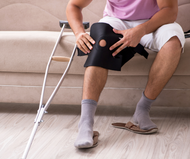
- Knee and joint braces for stability
- Neck supports for posture correction
- Wrist and arm supports for strain reduction
These supports help reduce unnecessary movement and allow the body to recover in a more controlled and comfortable way.
3. Medical Accessories That Enhance Daily Care
Beyond cushions and supports, several medical accessories improve comfort and make daily care easier and safer.
Examples include:
- Positioning pillows for better alignment
- Bed wedges for elevation and breathing comfort
- Anti-slip cushions for safety
- Transfer aids for safer movement
These tools help caregivers and patients manage daily routines with less strain and more efficiency.
4. How Comfort Supports Faster Recovery
Comfort is directly connected to healing. When the body is properly supported:
- Pain levels decrease
- Sleep quality improves
- Mobility becomes easier
- Stress on the body is reduced
This allows the body to focus more energy on recovery rather than discomfort or strain.
5. Choosing the Right Combination of Tools
Not all comfort tools are the same, and choosing the right combination depends on individual needs.
Consider:
- Type of condition or recovery stage
- Duration of bed rest or sitting time
- Level of mobility
- Areas of pain or pressure
A balanced setup often includes a mix of cushions, supports, and positioning aids tailored to the person’s daily routine.
Combining comfort and care is not just about easing discomfort—it is about improving recovery outcomes and enhancing daily living. With the right cushions, supports, and medical accessories, home care becomes safer, more effective, and significantly more comfortable.
Small adjustments in support and positioning can make a meaningful difference in both health and quality of life.