
June 1, 2026
Types of Wound Preparation and When to Use Them
Proper wound preparation is one of the most important steps in effective wound care management. Whether treating minor cuts, surgical incisions, burns, or chronic wounds, properly preparing the wound helps reduce the risk of infection, supports healing, and improves patient outcomes.
In this guide, we’ll explore the different types of wound preparation, when they should be used, and why proper wound bed management plays a critical role in recovery.
What Is Wound Preparation?
Wound preparation refers to the process of cleaning, assessing, and managing a wound before applying dressings or advanced treatments. The goal is to create an ideal healing environment by:
- Removing dead tissue
- Reducing bacterial contamination
- Managing moisture levels
- Protecting healthy tissue
- Promoting tissue regeneration
Effective wound preparation is commonly used in:
- Surgical wound care
- Chronic wound management
- Burn treatment
- Diabetic ulcer care
- Pressure ulcer treatment
Why Proper Wound Preparation Matters
Poor wound preparation can lead to:
- Delayed healing
- Infection
- Increased pain
- Tissue damage
- Chronic wound complications
Correct wound preparation helps healthcare professionals identify underlying issues and choose the most appropriate treatment plan.
Main Types of Wound Preparation
1. Wound Cleansing
What It Is
Wound cleansing involves removing dirt, debris, bacteria, and excess drainage from the wound surface.
Common Cleansing Solutions
- Sterile saline
- Clean water
- Wound cleansers
- Antimicrobial solutions
When to Use It
Wound cleansing is recommended:
- Before dressing changes
- After injuries
- During routine wound care
Benefits
- Reduces infection risk
- Removes contaminants
- Supports healthy healing tissue
2. Debridement
What It Is
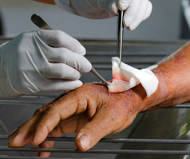
Debridement removes dead, damaged, or infected tissue from the wound bed.
Dead tissue can slow healing and increase bacterial growth.
Types of Debridement
A. Surgical Debridement
Performed using surgical instruments by trained healthcare providers.
Best For
- Severe infections
- Deep wounds
- Extensive necrotic tissue
Advantages
- Fast tissue removal
- Immediate wound improvement
B. Autolytic Debridement
Uses the body’s natural enzymes and moisture to break down dead tissue.
Best For
- Mild to moderate wounds
- Patients with low pain tolerance
Advantages
- Gentle process
- Minimal pain
C. Enzymatic Debridement
Uses topical enzymes to dissolve dead tissue.
Best For
- Chronic wounds
- Patients are unable to undergo surgery
Advantages
- Selective tissue removal
- Effective for targeted treatment
D. Mechanical Debridement
Uses physical methods to remove dead tissue.
Examples
- Wet-to-dry dressings
- Irrigation
- Wound scrubbing
Best For
- Moderate debris removal
Considerations
May cause discomfort or affect healthy tissue.
E. Biological Debridement
Uses sterile medical maggots to remove dead tissue.
Best For
- Non-healing chronic wounds
- Antibiotic-resistant infections
Advantages
- Precise tissue removal
- Reduced bacterial contamination
3. Moisture Balance Management
What It Is
Maintaining proper moisture levels helps wounds heal efficiently.
When to Use It
Moisture management is essential for:
- Chronic wounds
- Pressure ulcers
- Diabetic ulcers
Common Products
Benefits
- Prevents tissue drying
- Encourages cell growth
- Reduces dressing pain
4. Infection Control Preparation
What It Is
This preparation focuses on reducing bacterial growth and preventing wound infection.
Common Methods
- Antimicrobial dressings
- Topical antibiotics
- Proper wound cleansing
- Sterile dressing techniques
Signs Infection Control Is Needed
- Redness
- Swelling
- Odor
- Excess drainage
- Delayed healing
5. Skin Protection Around the Wound
What It Is
Protecting surrounding skin prevents irritation and breakdown.
Common Protective Products
- Barrier creams
- Skin sealants
- Protective films
When to Use It
Recommended for:
- High-moisture wounds
- Frequent dressing changes
- Fragile skin patients
Choosing the Right Wound Preparation Method
The ideal wound preparation depends on:
- Wound type
- Tissue condition
- Infection level
- Patient health
- Moisture balance
- Healing stage
Healthcare professionals often combine multiple preparation methods for optimal healing outcomes.
Wound Care Essentials for Effective Wound Preparation
Having the right wound care supplies is just as important as choosing the correct wound preparation method. Proper wound care products help maintain a clean healing environment, manage moisture, reduce infection risk, and support tissue recovery throughout the healing process.
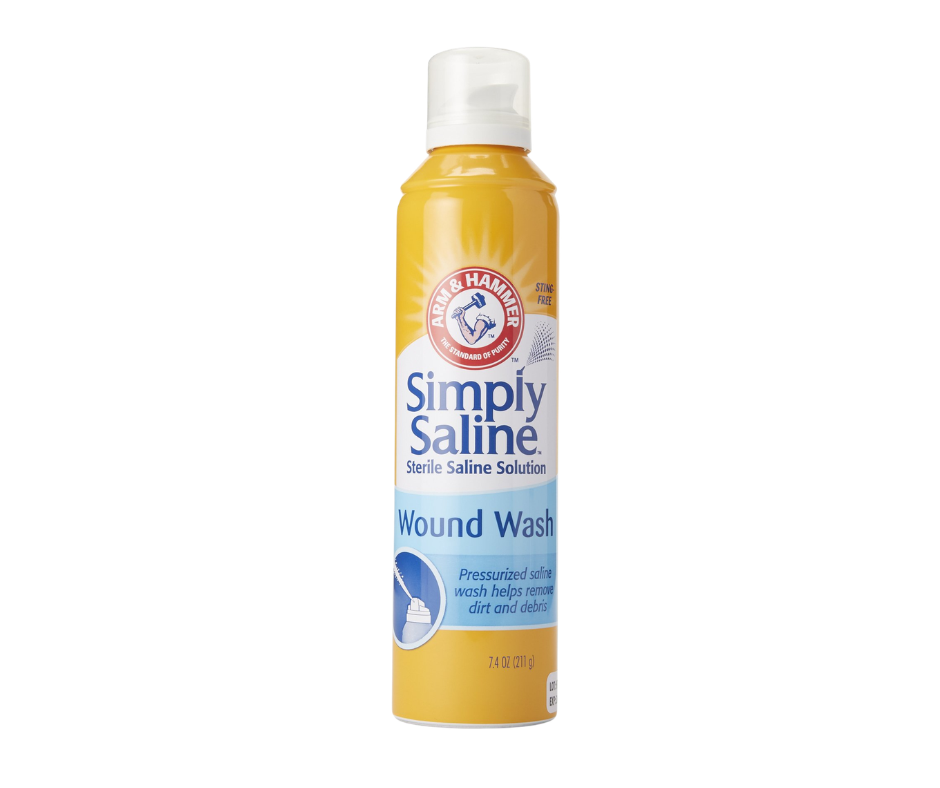
Wound Cleansers and Irrigation Solutions
Wound cleansing is often the first step in wound preparation. Sterile saline solutions, wound cleansers, and irrigation supplies help remove debris, bacteria, and excess drainage while protecting healthy tissue.
Common wound cleansing essentials include:
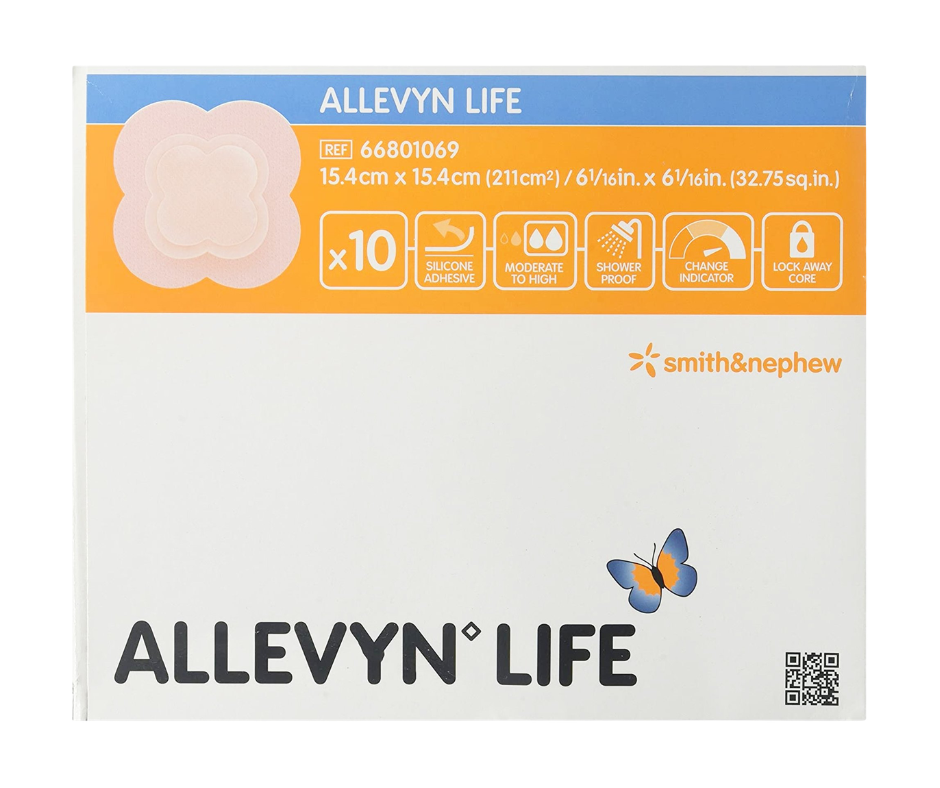
Advanced Wound Dressings
After wound preparation, selecting the appropriate dressing helps protect the wound and maintain optimal moisture balance.
Popular wound dressing options include:
- Foam dressings for moderate to heavy drainage
- Hydrocolloid dressings for moisture retention
- Alginate dressings for highly exudative wounds
- Hydrogel dressings for dry wounds
- Transparent film dressings for superficial wounds
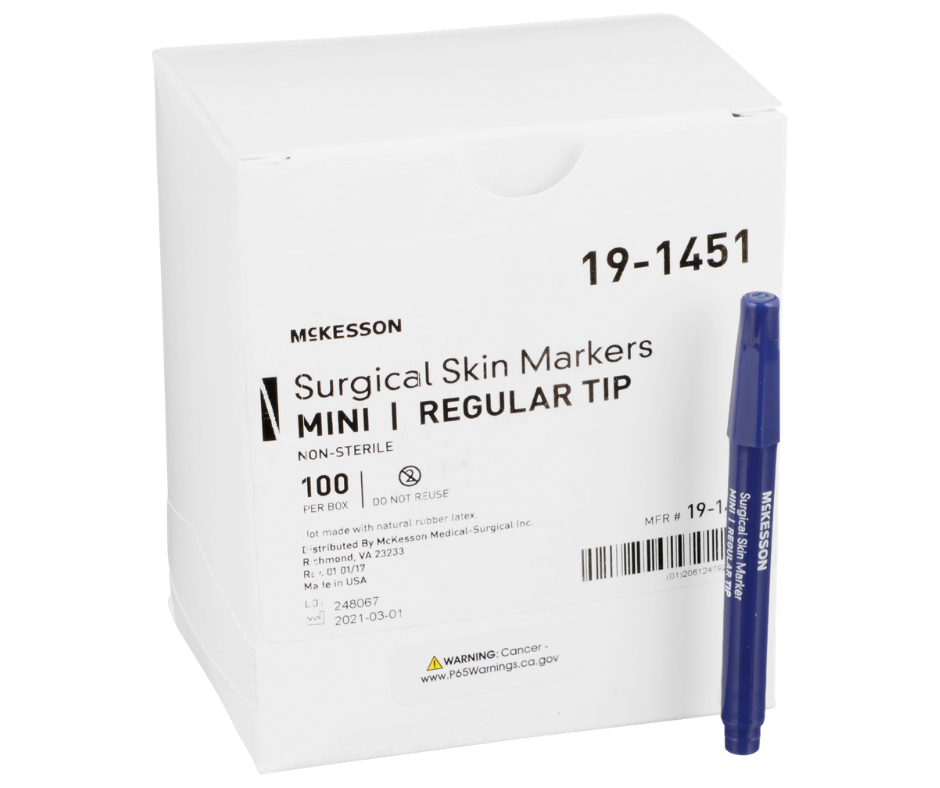
Debridement and Wound Management Supplies
Some wounds require specialized products to assist with tissue removal and wound bed preparation.
Examples include:
- Enzymatic debridement products
- Surgical instruments for professional debridement
- Wound measuring tools
- Sterile gauze and packing materials
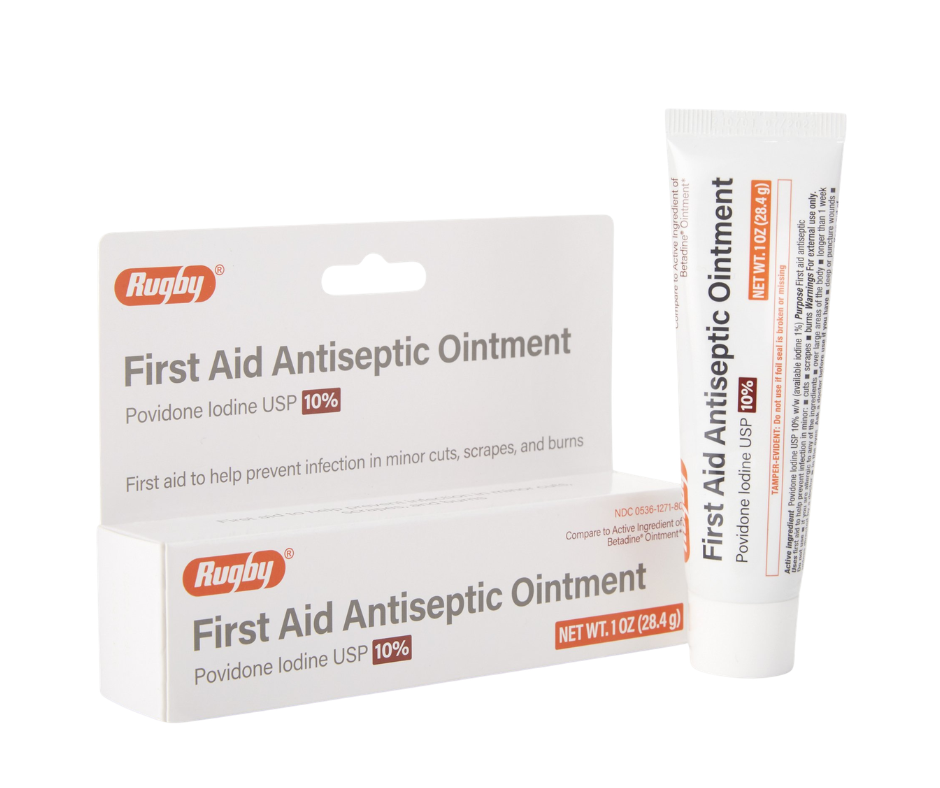
Infection Prevention Products
Managing bacterial contamination is essential for proper wound healing and complication prevention.
Common infection-control supplies include:
- Antimicrobial dressings
- Silver-infused wound dressings
- Sterile gloves
- Skin antiseptics
- Wound care kits
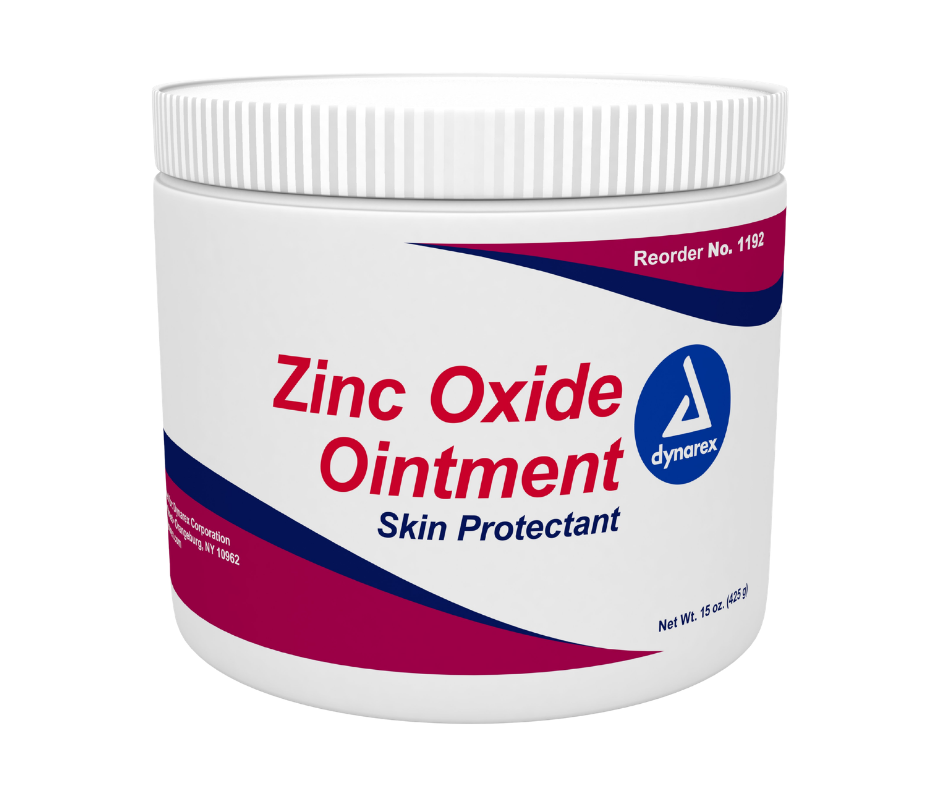
Skin Protection Products
The skin surrounding a wound can become irritated by excess moisture, drainage, or frequent dressing changes. Protective products help maintain skin integrity and patient comfort.
Recommended products include:
- Barrier creams
- Skin protectants
- Skin sealants
- Protective films
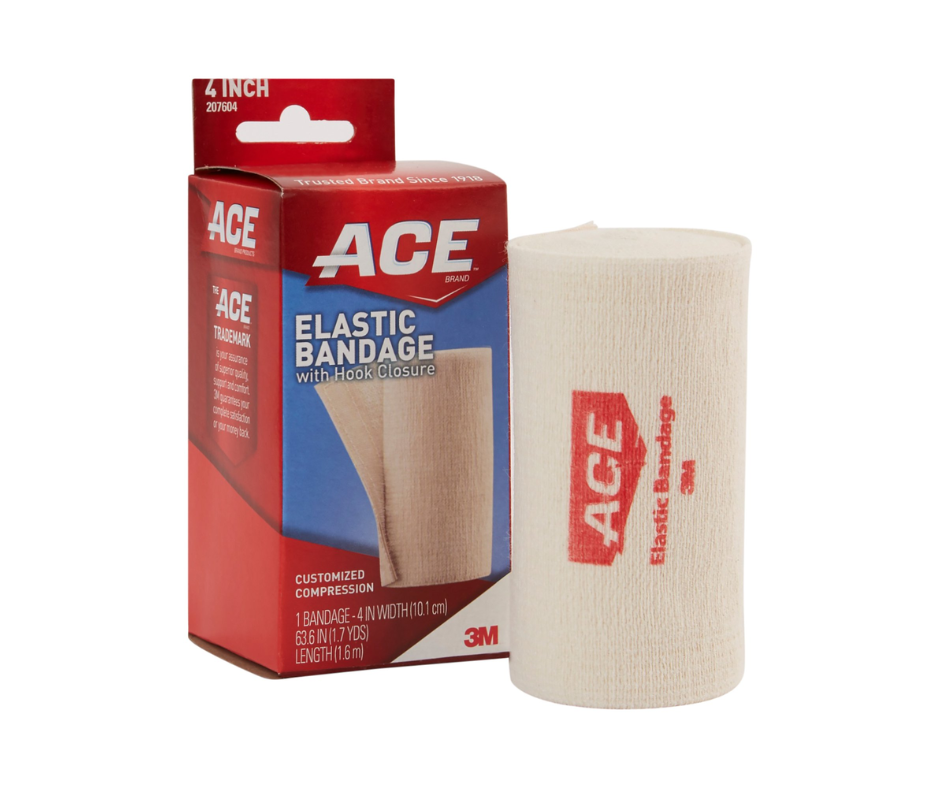
Compression and Support Supplies
For certain chronic wounds, particularly venous leg ulcers, compression therapy may be recommended as part of a comprehensive wound care plan.
Examples include:
Using high-quality wound care supplies alongside proper wound preparation techniques can help create an ideal healing environment, reduce complications, and support better patient outcomes throughout the wound healing process.
Common Wounds Requiring Advanced Preparation
Chronic Wounds
- Diabetic foot ulcers
- Venous ulcers
- Pressure sores
Acute Wounds
- Surgical incisions
- Traumatic injuries
- Burns
Infected Wounds
Require aggressive cleansing and infection management
Tips for Effective Wound Care
- Wash your hands before wound care
- Use sterile supplies
- Follow dressing schedules
- Monitor healing progress
- Seek medical advice for worsening wounds
Consistent wound preparation helps improve healing speed and reduce complications.
Frequently Asked Questions
What is the most common wound preparation method?
Wound cleansing is the most commonly used preparation method for both acute and chronic wounds.
Why is debridement important?
Debridement removes dead tissue that can slow healing and increase the risk of infection.
Can wounds heal without proper preparation?
Improper preparation may delay healing and increase the likelihood of complications.
What dressing works best after wound preparation?
The best dressing depends on the wound type, moisture level, and infection status.
Understanding the different types of wound preparation is essential for effective wound care and faster healing. From wound cleansing and debridement to moisture management and infection control, each preparation method serves a unique purpose in supporting healthy tissue recovery.
Whether managing surgical wounds, chronic ulcers, or minor injuries, choosing the right wound preparation technique can significantly improve patient comfort, healing outcomes, and overall wound management success.