
March 30, 2026
UVB Light Therapy at Home: A Complete Guide to Treating Psoriasis, Vitiligo, and Eczema
Living with a chronic skin condition like psoriasis, vitiligo, or eczema can be frustrating — especially when treatment means repeated trips to the dermatologist. But what if you could get the same clinically proven phototherapy treatment from the comfort of your home?
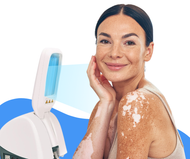
UVB light therapy (also called UVB phototherapy) uses targeted ultraviolet B light to treat inflammatory skin conditions. It's the same treatment dermatologists have used for decades, now available in safe, effective home-use devices. Research shows that home UVB phototherapy is just as effective as in-office treatment, with over 70% of psoriasis patients experiencing significant symptom reduction.
Table of Contents
What Is UVB Light Therapy?
UVB phototherapy works by exposing affected skin to a specific wavelength of ultraviolet B light. This slows the rapid growth of skin cells, suppresses the overactive immune response, and reduces inflammation. There are two main types of medical-grade UVB devices:
- Narrowband UVB (311nm) — The most widely studied and prescribed form of phototherapy. Narrowband UVB lamps emit light at 311 nanometers, which is the most therapeutically effective wavelength for treating psoriasis, vitiligo, and eczema. These devices are ideal for treating larger body areas and are the standard recommendation for home phototherapy.
- 308nm Excimer — Excimer devices deliver a more concentrated beam at 308 nanometers, allowing for highly targeted treatment of individual patches or lesions. Because the light is focused only on affected skin, surrounding healthy skin is not exposed to UV radiation. Studies show excimer therapy can achieve results in fewer sessions and may induce faster repigmentation in vitiligo patients.
Conditions Treated with UVB Phototherapy
Psoriasis
UVB phototherapy is one of the most effective treatments for moderate-to-severe plaque psoriasis. It works by penetrating the skin and slowing the rapid overproduction of skin cells that causes plaques. Most patients undergo 20 to 36 sessions (three times per week) and see significant clearing. In clinical studies, 82% of patients achieved nearly clear skin after just 5 weeks of narrowband UVB treatment.
Vitiligo
For vitiligo, UVB light stimulates melanocytes — the cells responsible for skin pigment — encouraging repigmentation of depigmented patches. Treatment is typically given twice per week for 3 to 4 months, and continued until repigmentation is achieved, which can take up to 1 to 2 years for complete results. Excimer devices (308nm) have shown particularly promising results for localized vitiligo, achieving faster repigmentation compared to broadband treatments.
Eczema (Atopic Dermatitis)
UVB therapy is used for moderate-to-severe eczema that hasn't responded well to topical treatments alone. It helps reduce itching, inflammation, and the frequency of flare-ups. Treatment sessions are typically longer than those for psoriasis but follow the same progressive dosing schedule.
Other Conditions
UVB phototherapy is also used to treat seborrheic dermatitis, lichen planus, cutaneous T-cell lymphoma (mycosis fungoides), pruritus, and other photoresponsive skin disorders.
Home UVB Therapy vs. In-Office Treatment
One of the biggest advantages of home UVB devices is convenience and long-term cost savings. Here's how they compare:
| In-Office Phototherapy | Home UVB Device | |
|---|---|---|
| Cost per session | $50–$350+ (with insurance copay) | One-time device purchase |
| Annual cost | $2,000–$10,000+ | $288–$691 (device cost) |
| Convenience | 3x/week office visits | Treat anytime at home |
| Effectiveness | Clinically proven | Clinically equivalent to in-office |
| Travel time | Drive to dermatologist | None |
Studies have confirmed that home UVB phototherapy is non-inferior to clinic-based treatment for both guttate and chronic plaque psoriasis. Patients also report higher satisfaction and better treatment compliance when using home devices, since eliminating the need for frequent office visits makes it easier to maintain a consistent treatment schedule.
Choosing the Right UVB Device
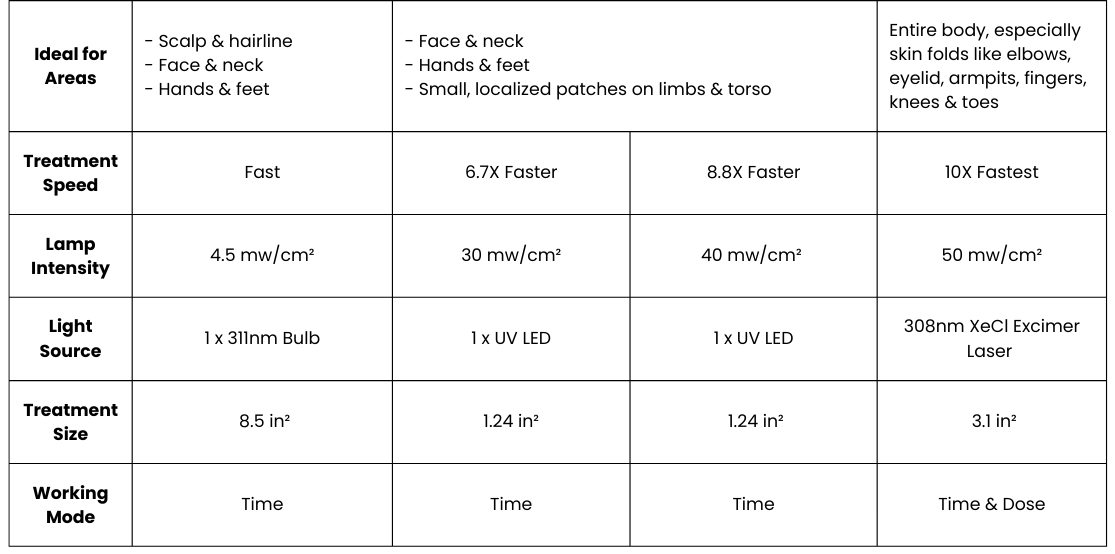
The right device depends on your condition, the size of the area you need to treat, and whether your dermatologist recommends narrowband UVB or excimer therapy.

For Larger Body Areas (Back, Torso, Limbs)
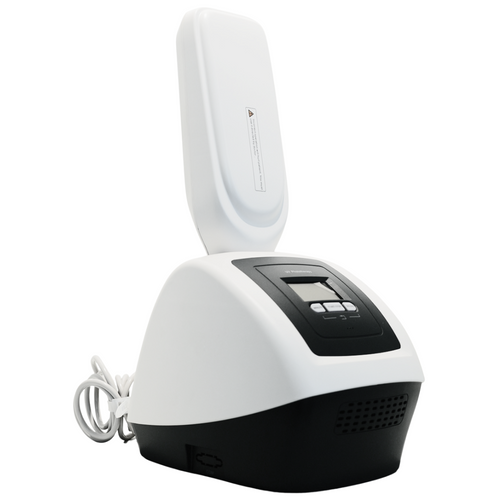
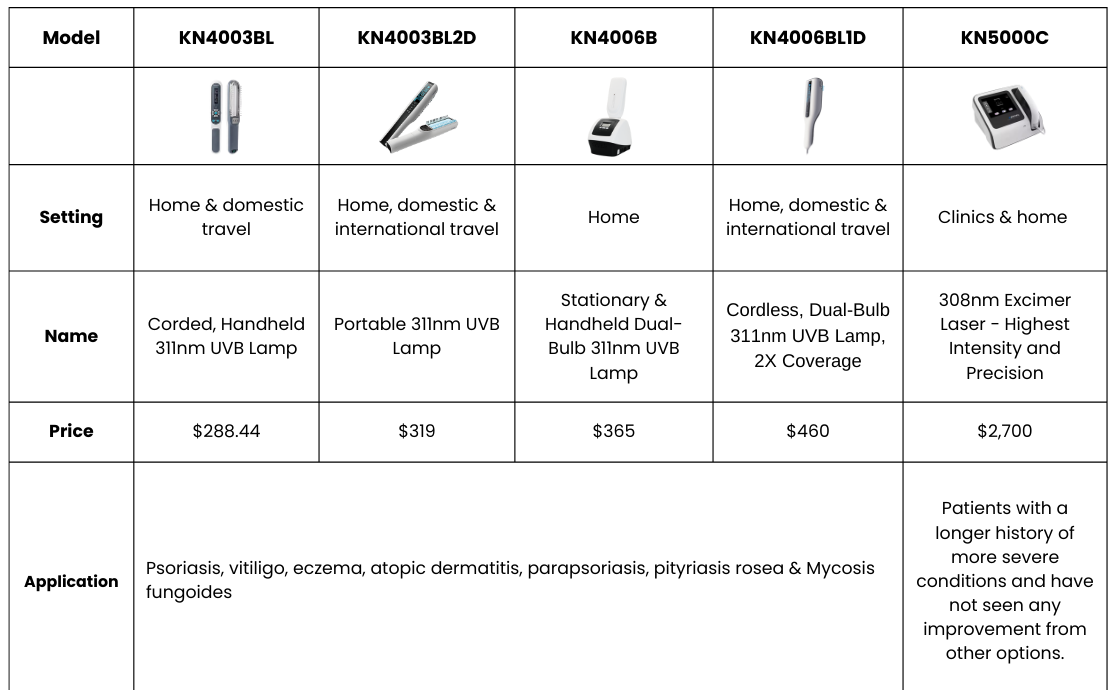
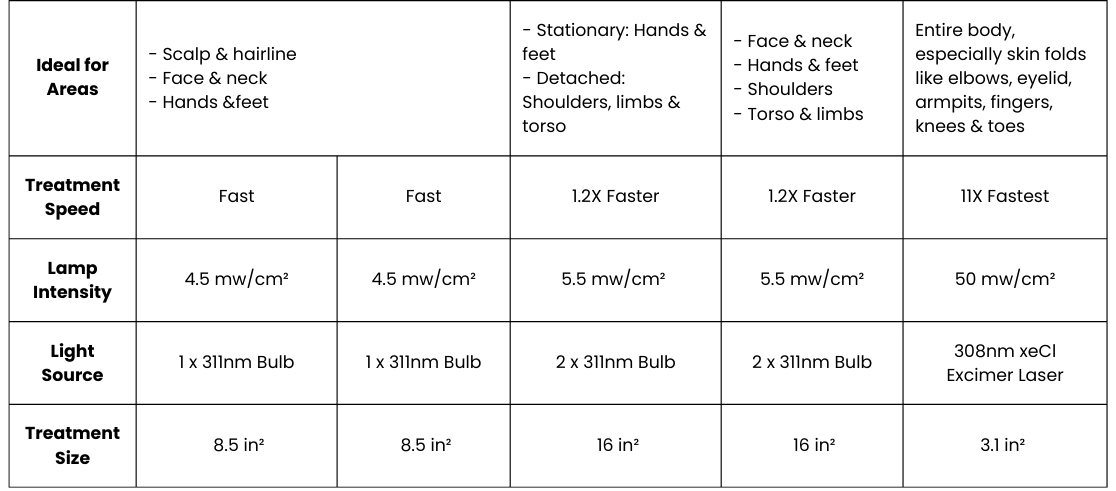
A dual-bulb 311nm UVB lamp provides wider coverage, making it efficient for treating psoriasis plaques on the back, torso, and limbs. Look for models that can be used both as a stationary panel and a handheld device for versatility.
For Targeted Areas (Scalp, Face, Hands, Feet)
A handheld 311nm UVB lamp is ideal for treating smaller, hard-to-reach areas. Corded models are lightweight and affordable, while cordless models offer maximum portability for travel or use in different rooms.
For Stubborn or Localized Patches
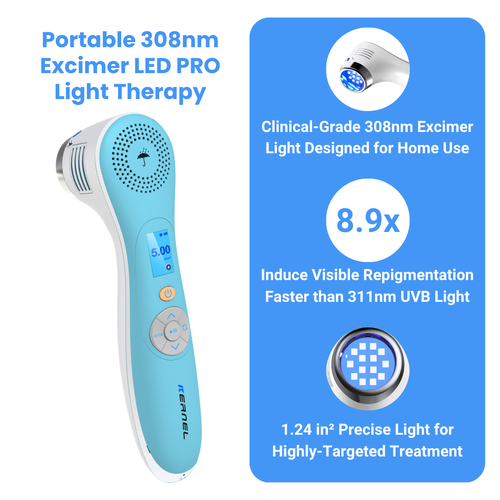
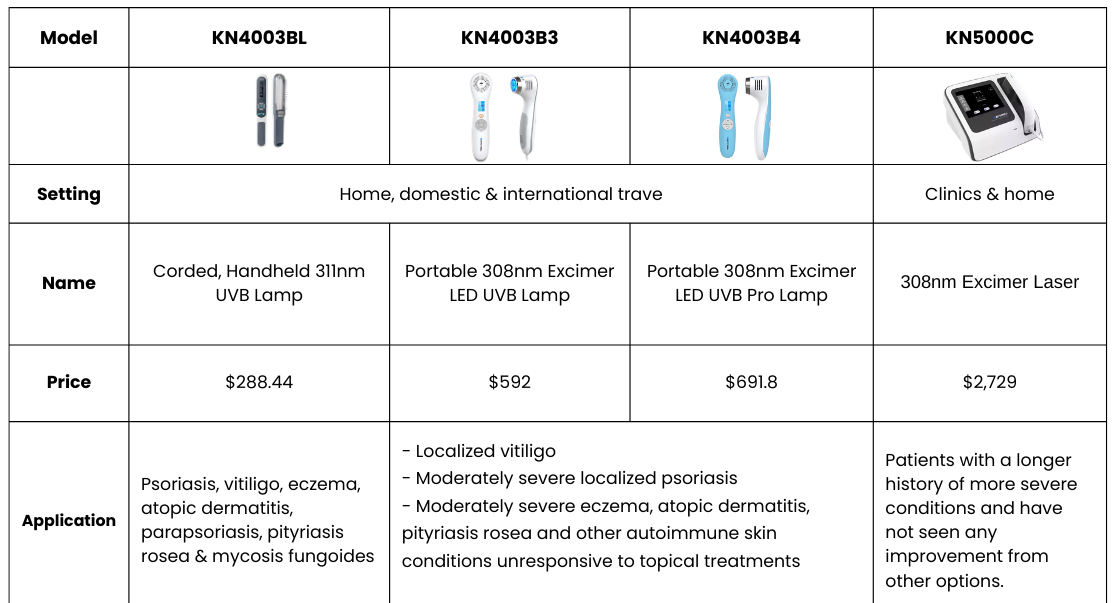
A 308nm excimer LED device delivers higher-intensity, focused light directly to affected patches without exposing surrounding healthy skin. This is the best option for localized vitiligo or resistant psoriasis plaques that haven't responded to standard UVB treatment.
For Clinics and Medical Offices
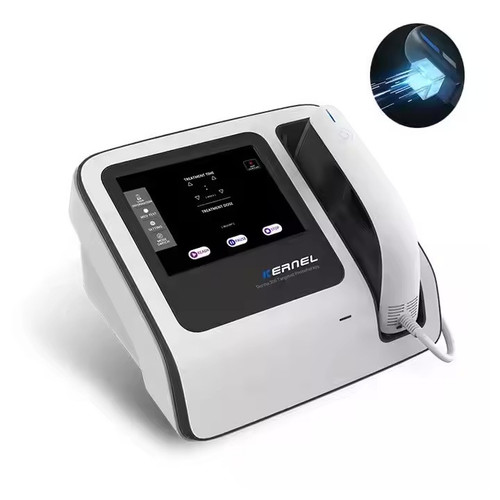
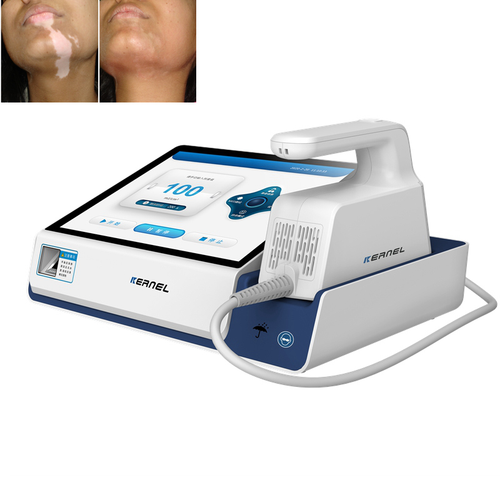
308nm excimer lasers provide the highest intensity and precision for professional clinical use. These are the gold standard for in-office phototherapy and treat severe or widespread conditions.
Compare Our UVB Devices
311nm Narrowband UVB Lamps
308nm Excimer Devices
How to Use a UVB Lamp at Home Safely
- Consult your dermatologist first. Always get a professional evaluation and treatment plan before starting home phototherapy. Your doctor will determine the appropriate starting dose based on your skin type.
- Start with short sessions. Initial sessions are typically under 5 minutes and gradually increase as your skin builds tolerance. Never exceed the recommended exposure time.
- Wear UV-protective goggles. Always protect your eyes during treatment. Quality goggles should be included with or purchased alongside your device.
- Treat consistently. Most protocols require 2 to 3 sessions per week, spaced at least 24 hours apart. Consistency is key to seeing results.
- Track your progress. Keep a log of treatment times, areas treated, and any skin reactions. This helps you and your dermatologist adjust the protocol as needed.
- Protect untreated skin. Cover or apply sunscreen to areas that don't need treatment to minimize unnecessary UV exposure.
What to Look for When Buying a UVB Lamp
- Medical-grade bulbs. Look for devices using genuine Philips narrowband UVB bulbs (PL-S 9W/01 or similar). These are the same bulbs used in clinical settings and backed by over 400 independent studies.
- Built-in timer. A programmable timer prevents overexposure and helps you follow your treatment protocol precisely.
- FDA registration. Ensure the device is registered with the FDA as a medical device for phototherapy.
- Warranty and support. Choose a supplier that offers a warranty, replacement bulbs, and customer support for treatment questions.
Shop UVB Light Therapy Devices
Ready to Start Home UVB Light Therapy?
Medical-grade devices starting at $288 — with free therapy guides included.
Shop UVB Lamps NowAt HeyMedSupply, we carry a full range of medical-grade UVB phototherapy devices for home and clinical use — from affordable handheld 311nm lamps to professional-grade 308nm excimer lasers. All devices use genuine Philips medical-grade bulbs and come with therapy guides to help you get started.
Disclaimer: This article is for informational purposes only and does not constitute medical advice. Always consult a qualified healthcare provider or board-certified dermatologist before beginning any phototherapy treatment.